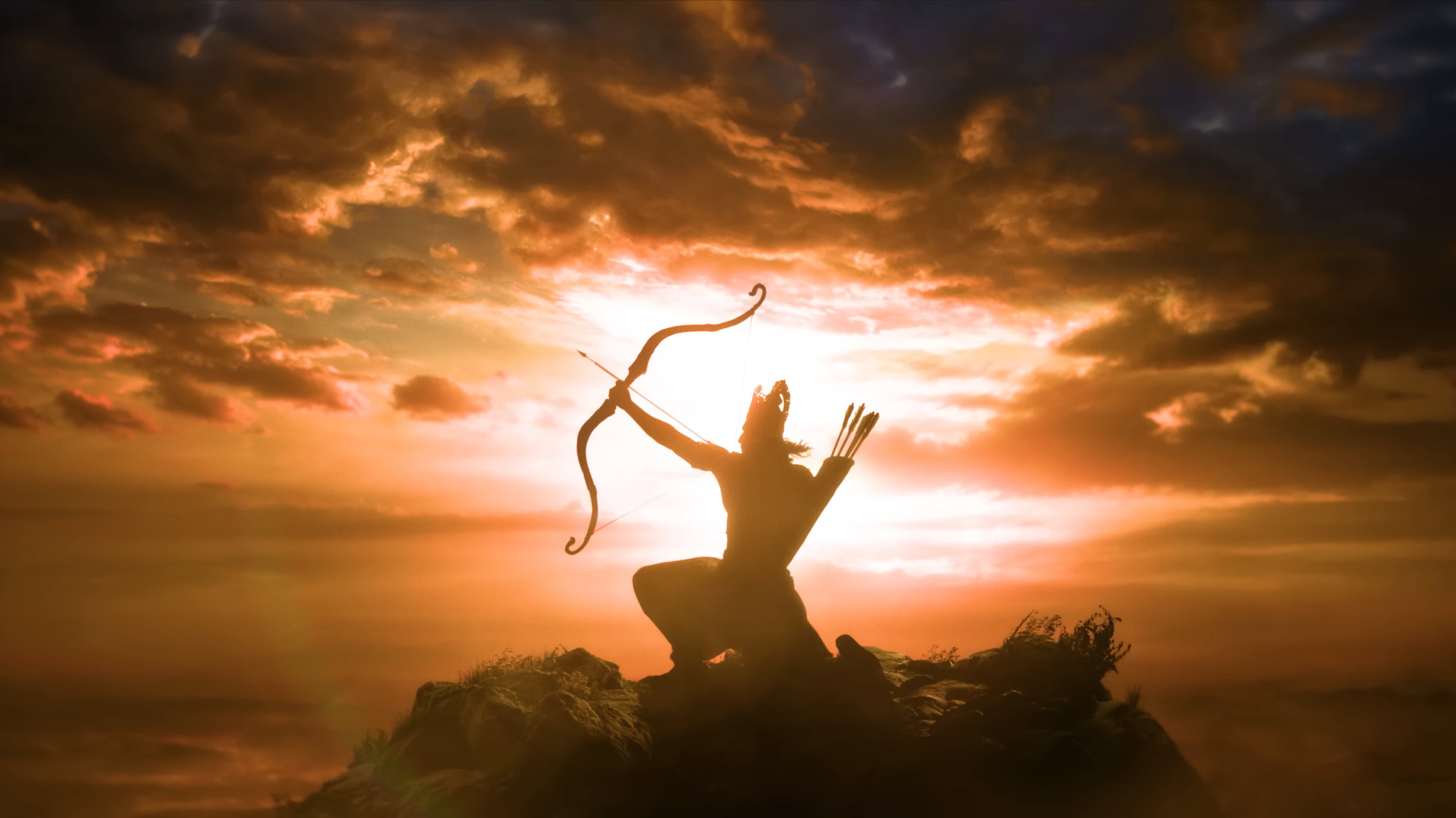
India bets half a billion dollars on its oldest story
Ramayana: Part I opens worldwide on November 6 — the most expensive Indian film ever made, built pan-Indian from the casting sheet up, with Adipurush’s shadow over every frame.
On November 6, the most expensive film in Indian history opens worldwide. Ramayana: Part I cost, together with the second part that follows at Diwali 2027, about 4,000 crore rupees, roughly half a billion dollars. Sony is releasing it globally. The makers are targeting 59,000 screens, which would be a record for any film from anywhere. It was shot for IMAX. The two parts together run about six hours.
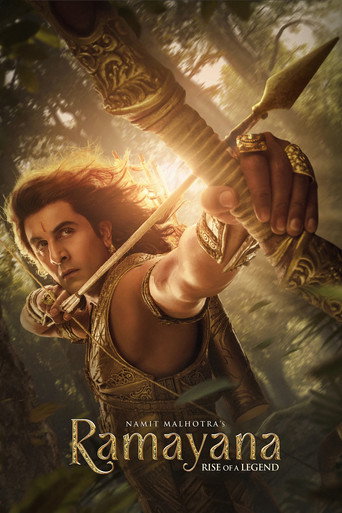
- Opens November 6, 2026
- Release Sony, worldwide
- Budget ₹4,000 crore across both parts
- Format Shot for IMAX
- Part II Diwali 2027
Every one of those numbers is a bet on a story that has no plot twists left to sell. A billion people know how the Ramayana ends. Grandparents in New Jersey know it, kids in Leicester half-know it, and anyone who was in India in 1987 remembers streets going quiet on Sunday mornings when Ramanand Sagar’s television version aired. When the lockdown reruns played in 2020 they broke viewership records all over again. A film like this cannot surprise anyone with what happens. It can only surprise them with how it is made.


Which is why the production credits are the real story. The director is Nitesh Tiwari, whose Dangal remains the highest-grossing Indian film ever released worldwide. The visual effects are by DNEG, the studio behind Dune and Interstellar, with eight Academy Awards on its shelf. And DNEG is not a vendor hired from abroad: its chief, Namit Malhotra, is producing the film himself, bringing an Indian-run company’s Hollywood machinery home for an Indian epic. Hans Zimmer and A.R. Rahman are composing together, a first for both. The movement and action are being built by Terry Notary, who taught the apes to move in Planet of the Apes, and Guy Norris of Mad Max: Fury Road.

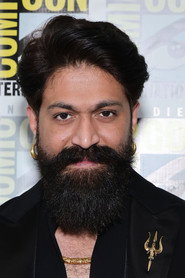


The casting is its own statement. Ranbir Kapoor plays Ram. Ravana is Yash, whose KGF films made him the biggest star to come out of Kannada cinema. Sita is Sai Pallavi, the most trusted actress in the South. Sunny Deol plays Hanuman. And in a piece of casting that works like a blessing, Arun Govil, who was Ram himself for the 1987 television generation, appears in this film a lifetime later. This is not a Bollywood film dubbed southward after the fact; it is built pan-Indian from the casting sheet up, and it will open in every major Indian language at once.
There is a shadow over all of it, and the filmmakers know its name. Adipurush took the same epic to theatres in 2023 with 700 crore rupees, and audiences laughed at its plastic demons and cringed at its dialogue until the writers publicly apologized. The lesson of that failure was not that the Ramayana is risky material. It was that reverence does not survive bad craft. Audiences will forgive a solemn first hour. They will not forgive a Hanuman who looks like a video game cutscene. That is why the DNEG line above matters more than any other fact in this piece.
The stakes reach past one film. If this lands, Indian cinema gets its Lord of the Rings: proof that its own material, made at world scale by its own people, can hold a global audience, with the sequel already timed for the next Diwali. Budgets across the industry will be rewritten upward. If it misses at this price, every studio in the country will spend five years citing it as the reason to think smaller. Either way, November 6 is the most consequential date on the Indian film calendar this decade.
We will not score anticipation. The film’s page is live on this site now, and the where-to-watch links and the Family Room page, for every parent deciding whether three generations go together, will fill in when the film opens. November 6 is a Friday. Our pipeline runs on Friday mornings. The reviews will be read, and the score will be up, before the weekend is out.